close

Mechanical and electrical services run through every building, whether they’re simple or complex, but not maintaining them properly can cause serious damage and can compromise safety. Ensuring you have an experienced maintenance team means that your building can keep functioning without any major technical issues.
Our mechanical and electrical services include lighting, fire alarms, HVAC units, security, PAT testing and heating methods.
At Taybur, our team understand the importance of smooth-running M&E systems throughout any building and how easily things can go wrong when they’re not working to their full potential.
Lighting requirements have changed significantly over the years, with the recent focus on wellbeing of building users having a big influence on those changes. Research into circadian rhythms has highlighted the importance of access to natural daylight and how we can manipulate artificial light to meet requirements.
Not only that, but different types of lighting are needed for all types of buildings, whether it’s for food production, laboratories, office space, schools or theatres. The design and installation are therefore critical to meet the required building specific outcome.
Whether it’s energy efficient lighting, PIR, dimmable, stage lighting, or strip LEDs, lighting makes a big impact on productivity and energy use, and is often an overlooked area of building use efficiency.
PAT testing electrical equipment ensures that your appliances are functioning correctly and aren’t causing health and safety risks.
Though not a legal requirement, most building owners in certain sectors have a moral obligation to PAT test equipment and appliances under the Electricity at Work Regulations 1989 and the Health and Safety at Work Act 1974. The frequency of the testing will depend on the type of equipment, the environment it is used in and how often it is used.
PAT testing is also good practice to monitor the efficiency of equipment and to predict the need to replace aging or faulty appliances and in consideration of fire risks; regular testing helps to prevent the unexpected.
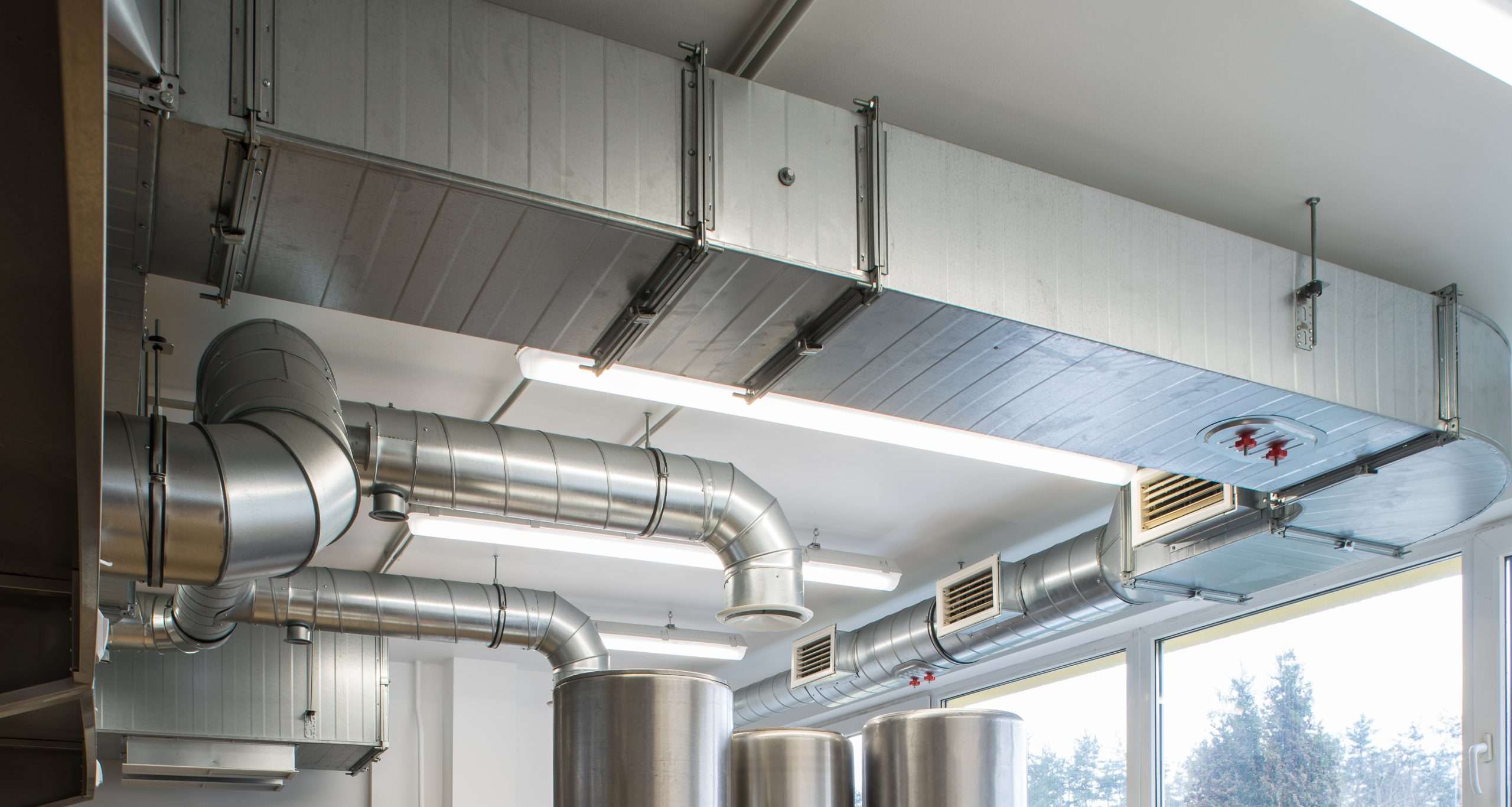
Heating, ventilation and air conditioning units are one of the biggest features in many different building sectors. Ensuring they run effectively can save buildings significant amounts of money as well as reducing their overall carbon output.
We cover all heating and cooling system types so whatever the building requirements, we can help to advise, design, install, maintain and monitor the systems from the beginning to end.
As necessary ventilation requirements have increased to satisfy occupants health needs, they are also enhancing operations. It’s key therefore to ensure maintained, clean and serviced ventilation systems to keep them functioning at the optimum rate. We can help with rerouting ductwork for any ventilation or air conditioning works to provide fresh air circulation, repairing or upgrading existing units, or advising on the type or scale of the system upgrade required.
We can provide validation reports on all mechanical, electrical and control systems to give you accurate data readings, life expectancy estimates, recommendations on enhancing performance and analysing compliance with building regulations and health and safety.
Validation reports aren’t a necessary obligation but are recommended when a change is occurring, for example, if a new air conditioning unit is being installed or a change in layout requires adaptations to the existing services. Anytime you’re looking to adapt, upgrade or alter any of your building’s systems, a report is advised to ensure compliance, to analyse the existing system’s capacity and its performance.
Reports are best carried out before any works have begun as to check your plans are possible along with the existing structure and systems, saving you money and hassle.
Fire dampers effectively work to stop fires from crossing thresholds and moving around a building, playing a critical role in preventing the spread of fires. When the temperature reaches a certain level, the dampers slams shut. Faulty fire dampers won’t work effectively and can put the safety of occupants at risk, so it’s essential that the system is in full working order at all times.
All fire safety systems and appliances should be checked at least annually (depending on its location and use) and maintained to the highest level, including a thorough inspection, drop test, reset of the system, and cleaning of dust and debris that could effect the operation of the damper. To comply with legislation, accurate records must be kept of the testing, the date and the actions taken.